- Buying and Remarks
I had one of the cheap two-in-one soldering stations since college, and although it gets the job done most of the time, the limitations started to get on my nerve, mostly the problem with this kind of station is that the soldering iron heat regulation is bad and it very hard to solder anything with high thermal mass, the hot air part has also the same issue with high thermal mass.
So I started looking for a new and somewhat better option, the options that I knew of is Quick, hakko, and JBC, JBC from the cheapest to the most expensive. In general, I’ll try to find a used tool since they usually have much better value than new ones. the exact options are Quick 861DW, HAKKO FR-810B, HAKKO FR-811, and JBC JTSE-2QB, so I’m either buying a new Quick or a used HAKKO or JBC.
I started by looking for a used HAKKO and JBC, the limiting factor is that I have to look for 230 V devices only, I have found a used JBC JT 7700 with no hose on eBay listed as not working for 150$, it has an NTC error because of the unconnected hose, but it should be fine. What I need is a compatible hose with a heater.
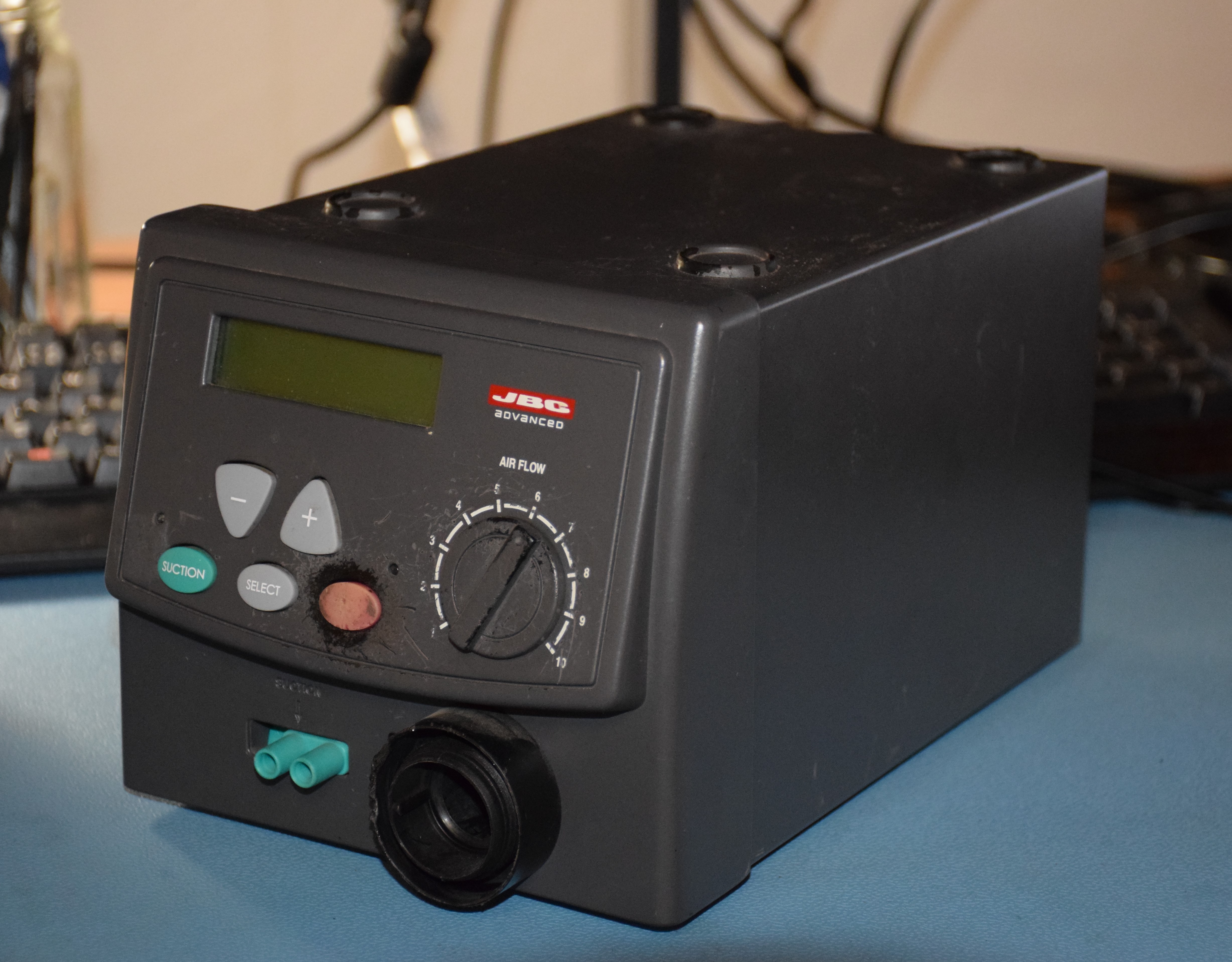
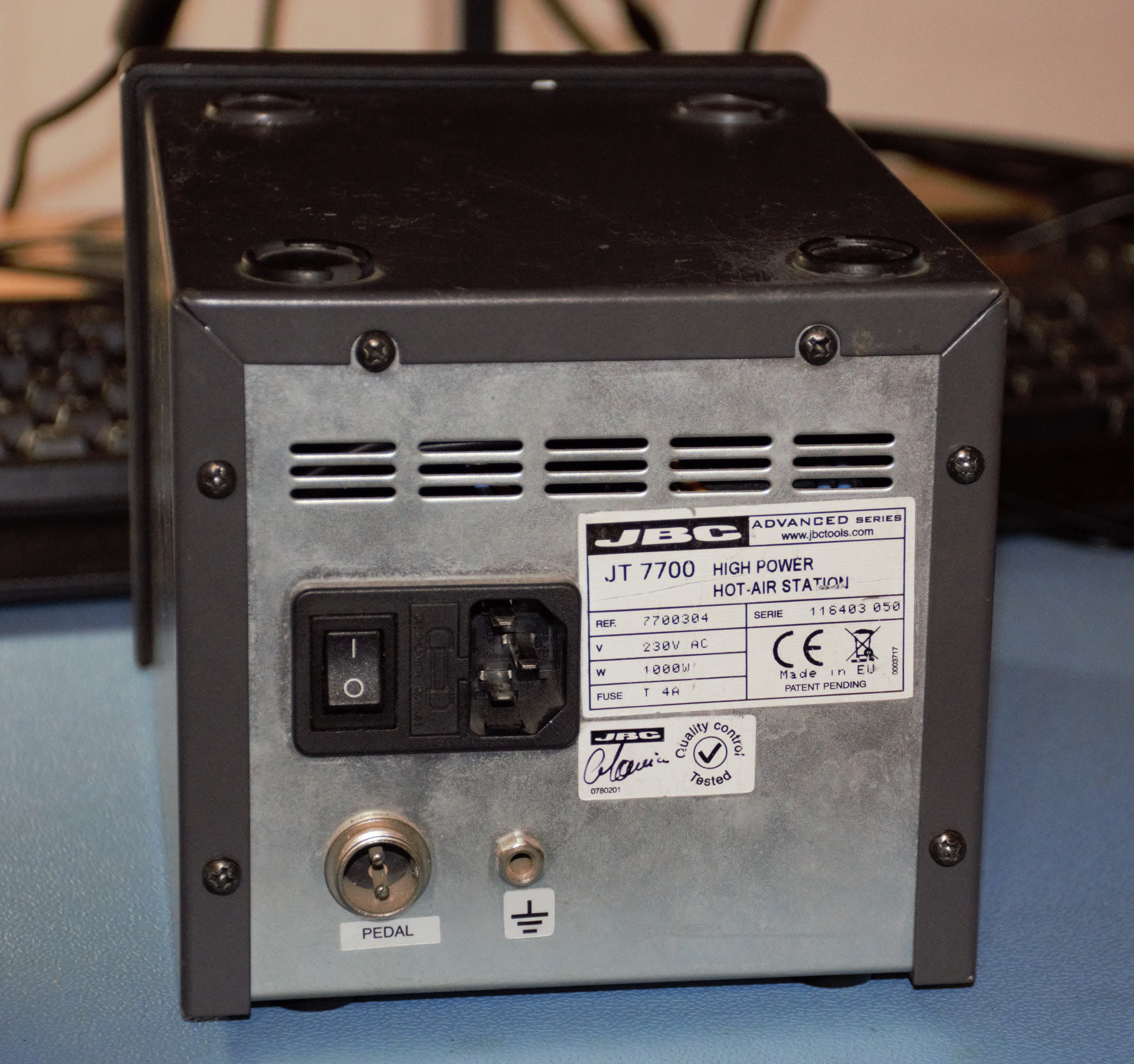
JBC JT 7700 is a nice base with great build quality and good specs. also the suction port which adds more to the functionality.

I searched for its original hose heater set but it wasn’t produced anymore, I could find a used hose on eBay but I could not find a used heater and the new ones don’t work with the old hose, so I contacted JBC and they told me that I can use the new JBC JTT hose heater set, it costs around 300 EUR.
So I decided to buy the used JBC 7700 base + new JBC JTT for around 450 $, and this was a reasonable price to me for what I got.

- Teardown
It is not a tear-down without a last-minute design fail, for some reason, JBC found out that they need a resistor here and just added it like this.
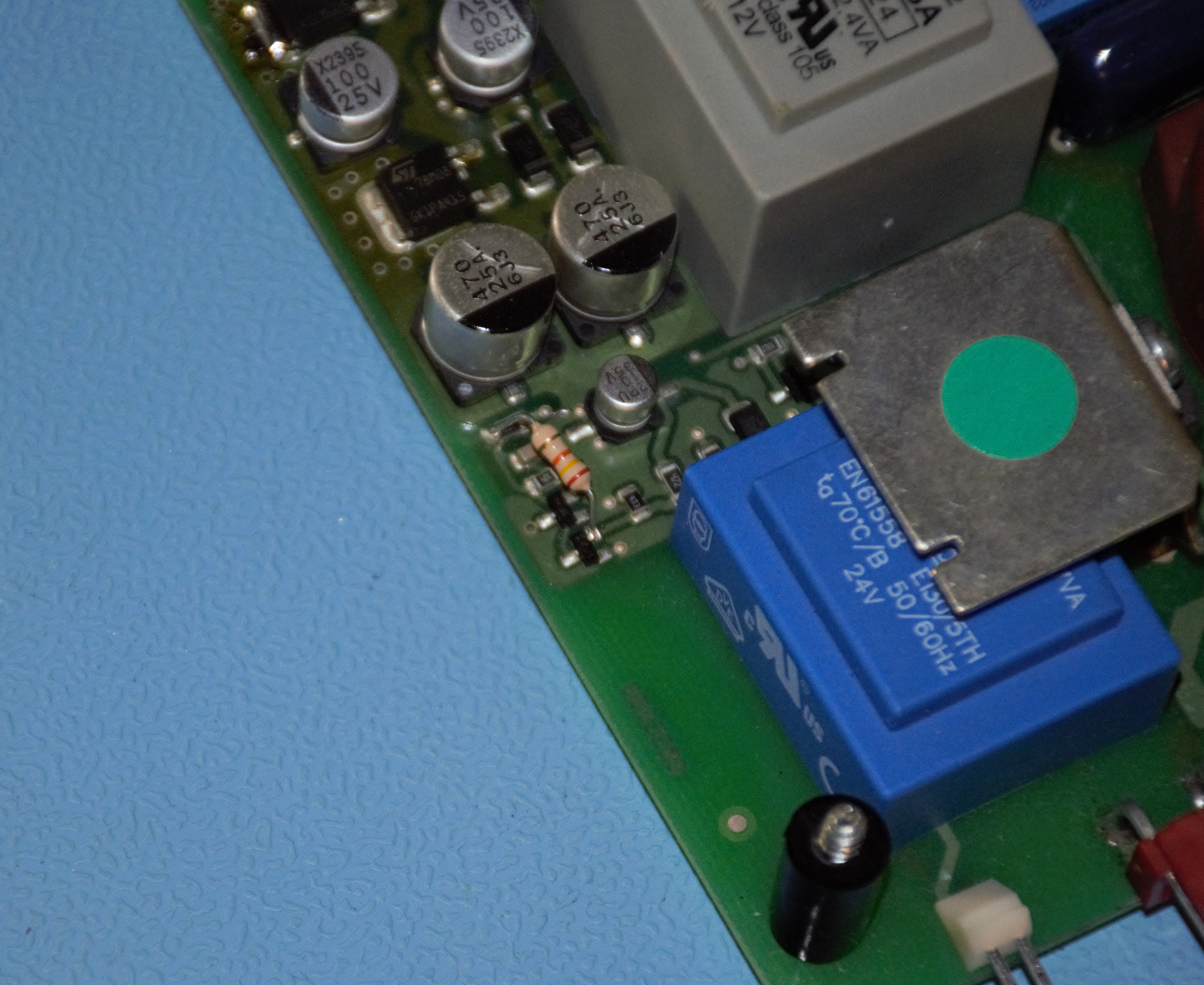
Teardown is straightforward, the enclosure is mostly sheet metal except for the front plastic panel, the sheet metal part that covers the top and the left and right sides can be removed after removing some screws.
The base is arranged nicely in the top there is a power board, below there is the air blower unit and another unit for the suction port, fixed to the front panel is the control board.

The power board is kind of basic a simple rectifier for high voltage DC generation, and a 12V transformer that generates DC for the control board.

The suction device ( the black plastic block ) is fixed to the bottom sheet metal with only some rubber grommets, this device has only the two blue wires that control its power, and the suction port has no control of suction pressure which makes controlling it easy, inside the plastic box, I was imaging some kind of blower, but that was not the case.
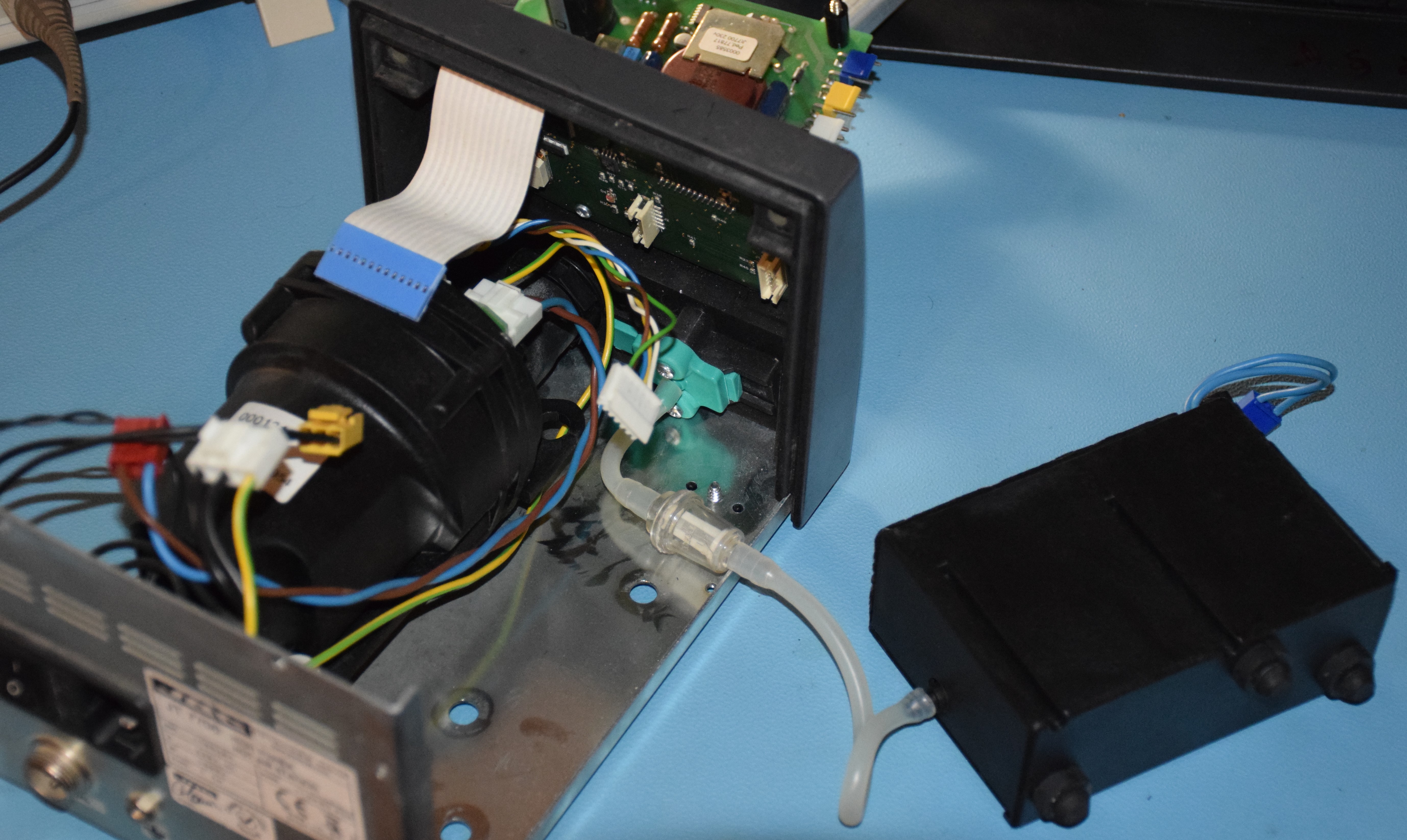
It is a primitive device that works in a linear motion fashion like a solenoid, the
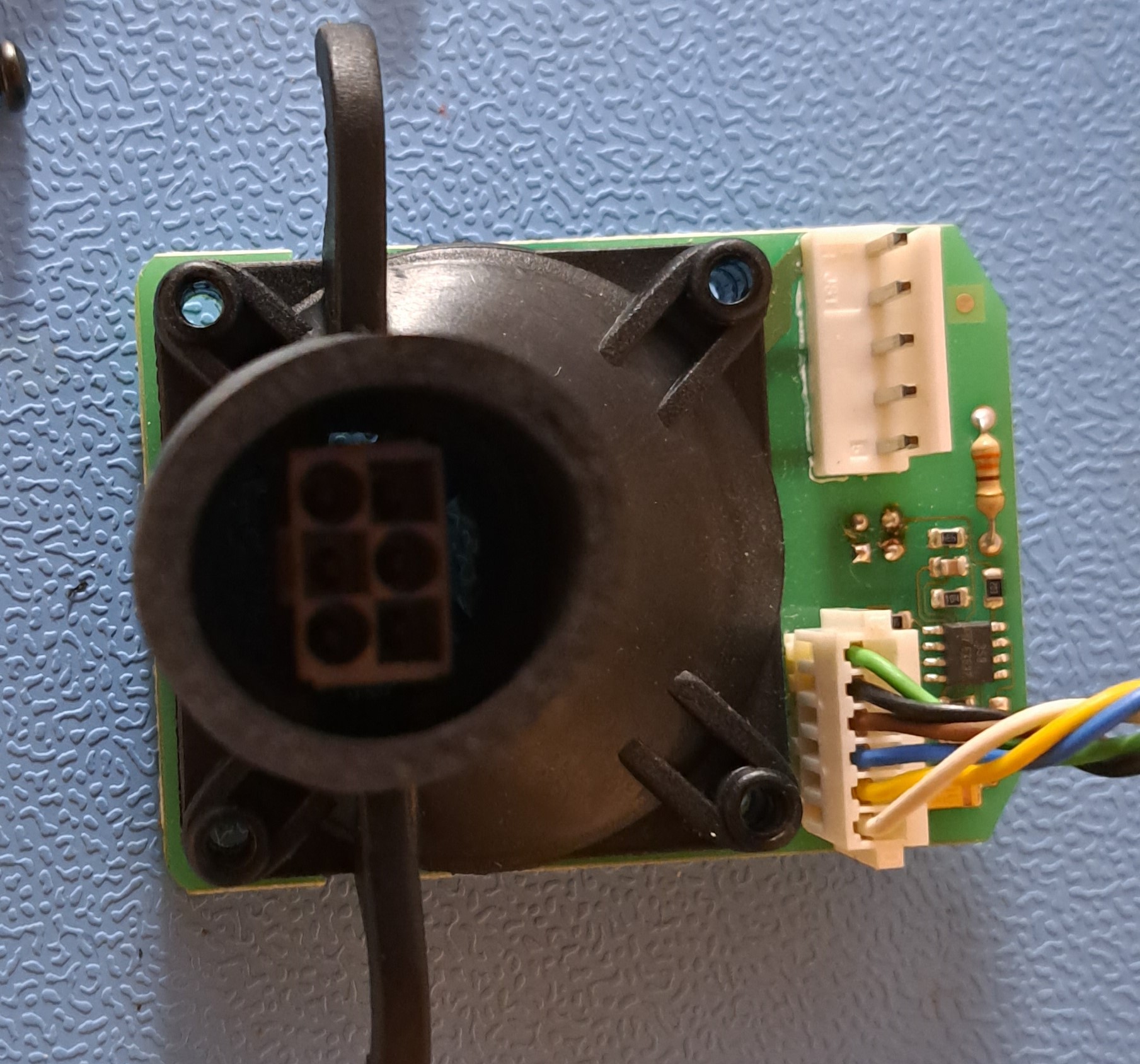
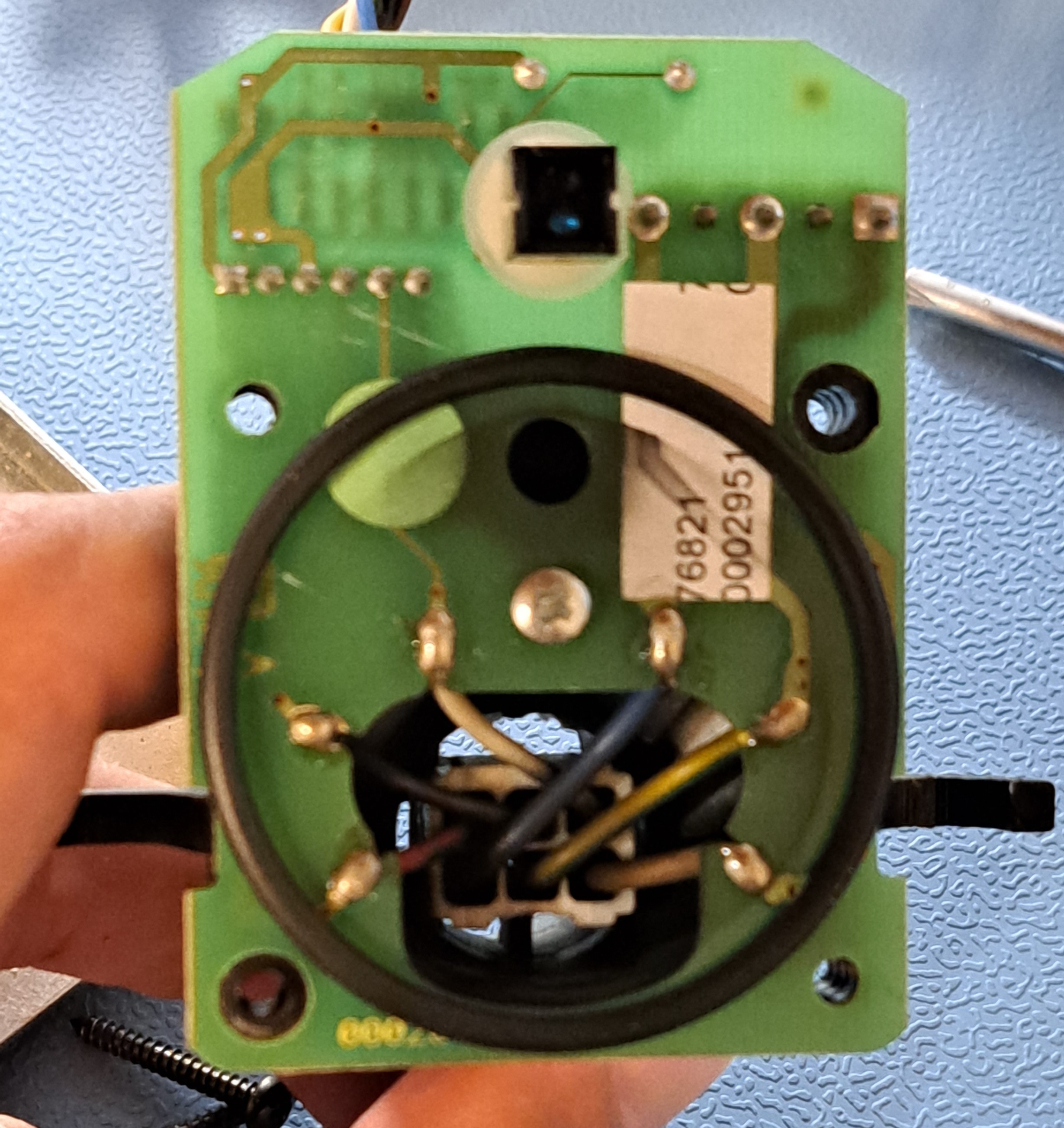
The second device connected to the bottom sheet metal is the blower, it is composed of two parts, the first one is the blower itself, and the second part is PCB with a plastic part that connects the blower to those in a sealed way, the other function is that it connects the hose terminals ( the hose has internal connector for heater power and NTC) to the Power PCB, then the power PCB connected them to the control PCB.
The blower itself has two openings, the top one is where the black part is in the third PCB mate, this is an IR emitter-receiver duo, probably either for sensing the filter quality ( black means bad, with means good), the second opening is for airflow.
The two parts screw together and between them, there is a seal ring.

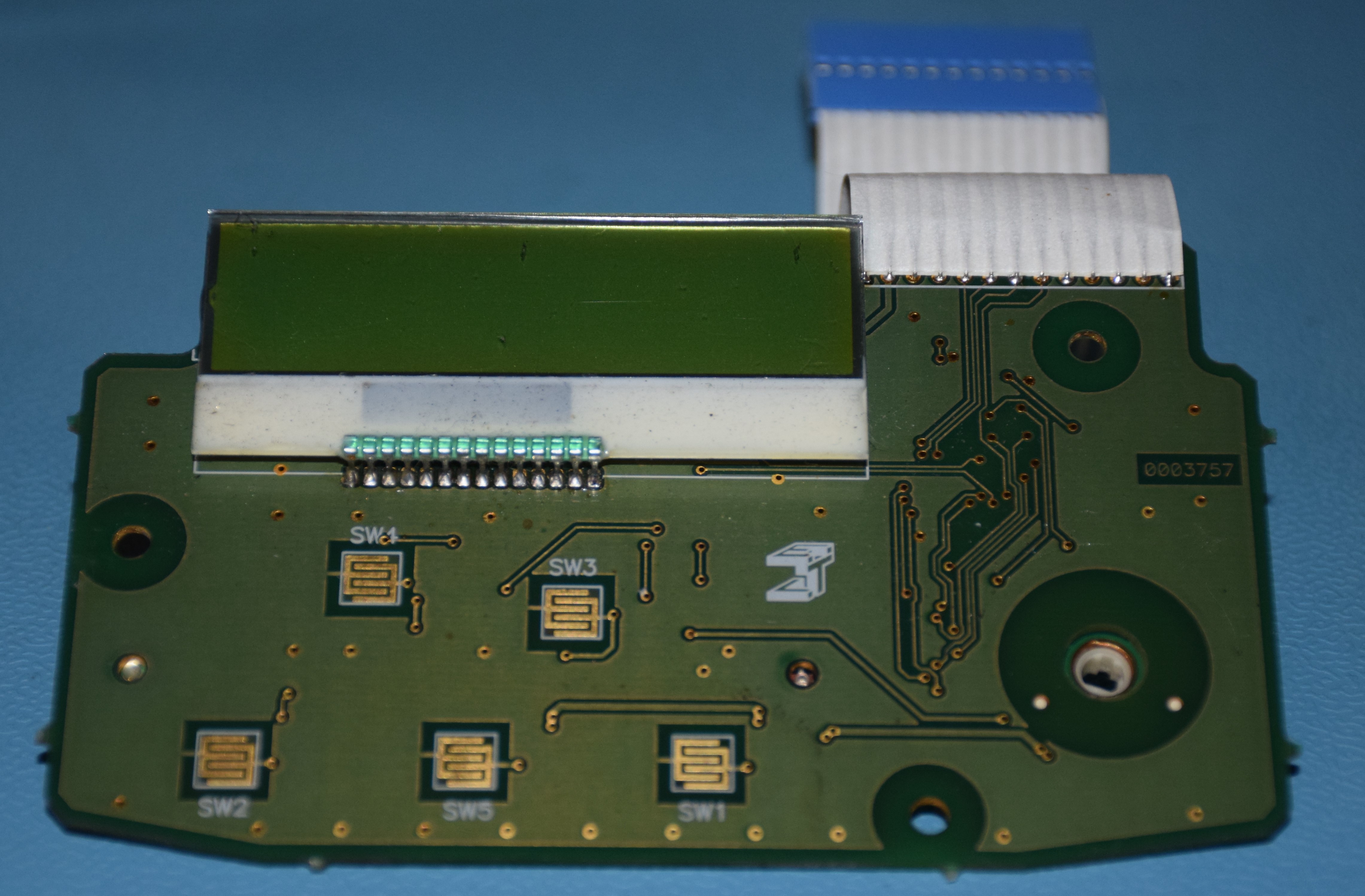
Next is the front control panel, nothing out of the ordinary, Some buttons rotary encoder, an LCD, and a microcontroller.

 Anas
Anas 
Leave a comment